- Boundless
- Ergothioneine
Ergothioneine benefits, explained.
An antioxidant your body can't make, a transporter built just for it, and what the research actually says so far. Here's the plain-English version.
Ergothioneine is a sulfur-containing amino acid made by fungi and some bacteria. Your body can't make it, so it comes from food, mostly mushrooms. Your cells pull it in through their own dedicated transporter and keep it in places under oxidative stress, like red blood cells, the liver, kidneys and eyes. It's studied as an antioxidant that protects cells, and in 2018 the biochemist Bruce Ames proposed it as a longevity vitamin.
By Boundless / Updated
The numbers that matter.
What is ergothioneine?
Ergothioneine is a naturally occurring amino acid built from histidine, with a sulfur atom on its ring. It was first isolated in 1909 from ergot, a fungus that grows on rye, which is where the name comes from.
- Only microbes make it. Fungi and certain bacteria produce it. Plants pick up small amounts from fungi in the soil. Animals, people included, can't make it at all.
- It has its own way in. In 2005, researchers found that a transporter on human cells, OCTN1 (gene SLC22A4), carries ergothioneine more than 100 times more efficiently than the compounds it was thought to move. They renamed it the ergothioneine transporter.
- The body holds on to it. Ergothioneine is cleared slowly, so blood levels build up with regular intake. In one 16-week trial, 25 mg a day raised blood levels about 16-fold.
- It goes where the stress is. The highest levels turn up in red blood cells, bone marrow, the liver, kidneys and the lens of the eye.
Ergothioneine benefits: what the research says so far.
Most of the evidence comes from cells, animals and large studies that track blood levels over time. Trials that give people ergothioneine are still small. Here's each benefit people talk about, next to the strongest evidence behind it.
| Area | What's been found | Strongest evidence |
|---|---|---|
| Antioxidant and cell protection | Neutralizes reactive oxygen species such as superoxide and singlet oxygen. Cells without the ergothioneine transporter cope worse with oxidative stress, especially in their mitochondria. | Lab studies |
| Heart and metabolic health | In 3,236 Swedish adults followed for about 21 years, higher blood ergothioneine went with lower risk of coronary disease, cardiovascular death and death from any cause. | People, observational |
| Brain and memory | Blood levels fall with age and are lower in older adults with cognitive decline. In a 16-week trial of 147 adults aged 55 to 79, 25 mg a day improved self-rated memory, but not memory test scores versus placebo. | Small human trial |
| Sleep | The same 16-week trial found people on 25 mg a day reported falling asleep more easily. It was a self-reported measure, in a trial paid for by an ergothioneine maker. | Small human trial |
| Healthy aging and lifespan | Male mice given ergothioneine in their drinking water lived longer, and worms lived longer and stayed free of frailty for longer. | Animal studies |
| Skin | In human skin cells exposed to UV light, ergothioneine cut a collagen-breaking enzyme (MMP-1) by about half and calmed inflammation signals. | Lab studies |
The honest summary: the case for ergothioneine is strongest on how the body treats it (its own transporter, slow clearance, build-up where stress is high) and on large population studies. Bigger, longer human trials are still needed to show what taking it does.
Why ergothioneine is called the "longevity vitamin."
In 2018, Bruce Ames, the biochemist behind the Ames test, proposed a new class of nutrients in PNAS. Classic vitamins keep you alive today. Longevity vitamins, he argued, are the ones your body needs for long-term repair and maintenance, and when they run short, the body quietly puts that work last.
He named ergothioneine as one of the candidates, alongside PQQ, queuine and a group of carotenoids that includes astaxanthin, with taurine proposed as a conditional vitamin. It's a proposal, not an official category, and ergothioneine has no recommended daily amount.
Researchers at Penn State later estimated that Americans eat about 1.1 mg of ergothioneine a day, less than people in four European countries studied, mostly because they eat fewer mushrooms. They found these lower intakes coincide with shorter life expectancy, but stressed that this pattern doesn't prove cause and effect.
Three of the longevity vitamin candidates, ergothioneine, PQQ and astaxanthin, are in every Boundless Longevity Shot.
Ergothioneine foods: mushrooms first.
Mushrooms are by far the richest source. When Penn State researchers tested 13 species, wild porcini came out on top at about 7.3 mg per gram dried. Oyster, shiitake and maitake mushrooms are also rich. Everyday white button mushrooms have much less, but still more than most foods.
- Mushrooms: porcini, oyster, shiitake, maitake and king oyster are among the richest; cremini and white button have less.
- Small amounts: organ meats like liver and kidney, black and red beans, and oats.
- Cooking: it survives heat well, so cooked mushrooms still count.
Ergothioneine dosage: how much per day?
There's no official daily amount for ergothioneine. Here's what diets, studies and regulators give for scale.
| Source | Amount |
|---|---|
| Average US diet | About 1.1 mg a day |
| Human studies | Up to 25 mg a day for a week, 10 or 25 mg a day for 16 weeks, and 25 mg three times a week for a year |
| EFSA, Europe (2016) | Judged safe in supplements at the 30 mg a day the applicant proposed |
| FDA, US (2018 to 2025) | Three GRAS notices for L-ergothioneine in foods and drinks drew "no questions" letters. The latest assumed heavy consumers could reach about 275 mg a day. |
| Boundless Longevity Shot | 50 mg per shot, one shot a day |
The best time to take ergothioneine.
No study has compared morning with evening. Ergothioneine dissolves in water, so you can take it with or without food. Because your body clears it slowly and blood levels build over weeks, taking it every day matters more than the time on the clock.
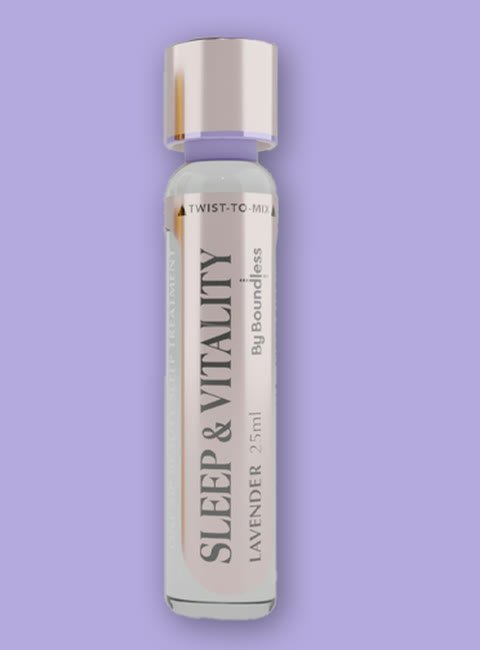
Pick the moment you'll stick to. For a lot of people that's the morning, with the Longevity Shot. Our Sleep Shot carries ergothioneine too, for an evening routine.
Is ergothioneine safe? Side effects.
- In people: no adverse effects were reported at up to 25 mg a day for a week or 25 mg three times a week for a year, and 10 or 25 mg a day for 16 weeks was well tolerated.
- In animals: rat studies found no harmful effects even at the highest doses tested, 615 to 800 mg per kilogram of body weight a day.
- In the lab: it isn't mutagenic and didn't damage chromosomes in standard tests.
- Food you already eat: it's a normal part of any diet with mushrooms, beans or oats.
If you're pregnant, breastfeeding or take medication, check with your doctor first.
Getting ergothioneine: supplement, food or drink?
You can get ergothioneine from mushrooms, from capsules and powders, or from drinks. Ergothioneine itself is tough: it survives cooking, resists oxidation in air better than many antioxidants, and purified ergothioneine stays stable for a year at 30 °C.
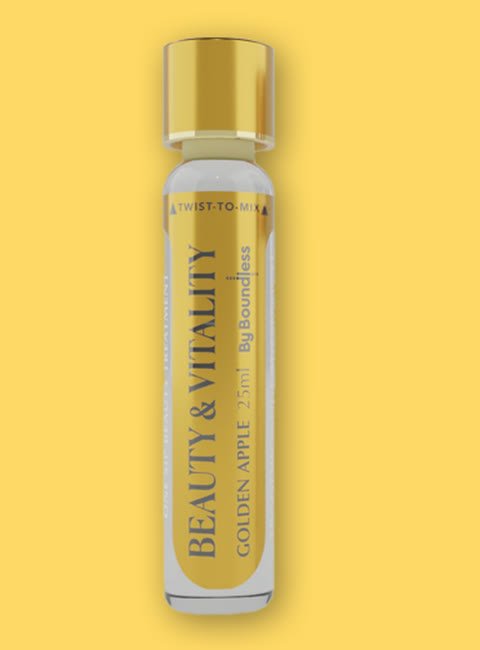
The ingredients it's often paired with aren't as sturdy. Vitamin C and astaxanthin are far more fragile and break down faster once they're mixed into a drink. That's why the Longevity Shot keeps every active dry in a twist-to-mix cap until the moment you drink it.
How we use ergothioneine.
Ergothioneine leads the cap of our Longevity Shot. Each dose also brings the antioxidants that sit closest to it in the research.
- 50 mg ergothioneine, with 250 mg glutathione, 20 mg PQQ and 4 mg astaxanthin.
- Plus 50 mg L-theanine, 50 mg sialic acid, 1.8 mg ceramides and six vitamins at 100% of the Daily Value.
- A hydrogen water base, 25 mL, sweetened with allulose. Zero sugar, no stevia.
- Fresh every time. Twist, shake for three seconds, sip.
Ergothioneine questions.
What is ergothioneine good for?
Ergothioneine is an antioxidant that your cells take up on purpose, through a transporter built for it. It's studied for protecting cells from oxidative stress and for healthy aging. In a large Swedish study, people with more of it in their blood had lower risk of heart disease and death over about 21 years. That's a link, not proof, and human trials so far are small.
Is ergothioneine a vitamin?
Not officially. It has no recommended daily amount. In 2018 the biochemist Bruce Ames proposed calling it a longevity vitamin: a nutrient you don't need to survive day to day, but may need for long-term health. That's why it's often called the longevity vitamin.
Is L-ergothioneine the same as ergothioneine?
Yes. L-ergothioneine is the natural form found in mushrooms and in the body, and it's the form used in supplements and drinks. Both names mean the same compound.
How much ergothioneine should I take a day?
There's no official daily amount. The average American diet gives about 1.1 mg a day. Human studies have used up to 25 mg a day. FDA reviewed food uses of ergothioneine that could bring heavy consumers up to about 275 mg a day and had no questions about the safety conclusion. Each Boundless Longevity Shot has 50 mg.
What is the best time to take ergothioneine?
No study has compared times of day. Ergothioneine dissolves in water and can be taken with or without food. Because your body holds on to it and blood levels build up over weeks, taking it every day matters more than the time you take it.
Does ergothioneine have side effects?
No adverse effects have been reported in human studies so far, including up to 25 mg a day for a week and 25 mg three times a week for a year. Animal studies found no harmful effects even at very high doses. If you're pregnant, breastfeeding or take medication, check with your doctor first.
Which foods have the most ergothioneine?
Mushrooms, by far. Porcini had the most of 13 species tested, about 7.3 mg per gram dried. Oyster, shiitake and maitake mushrooms are also rich sources, and white button mushrooms have less but still more than most foods. Small amounts are found in organ meats, black and red beans and oats.
What is the difference between ergothioneine and glutathione?
Both are sulfur-containing antioxidants, but glutathione is made by your own cells and is their main antioxidant on the inside, while ergothioneine has to come from food and is brought into cells by its own transporter. The Boundless Longevity Shot carries both: 50 mg ergothioneine and 250 mg glutathione.
Is ergothioneine heat stable?
Yes, unusually so. Cooking mushrooms doesn't seem to reduce it much, and purified ergothioneine stays stable for a year at 30 °C. It also resists oxidation in air better than many antioxidants.
Read the science.
- Gründemann D, et al. Discovery of the ergothioneine transporter. PNAS. 2005;102:5256-5261. PubMed
- Ames BN. Prolonging healthy aging: Longevity vitamins and proteins. PNAS. 2018;115:10836-10844. PubMed
- Smith E, et al. Ergothioneine is associated with reduced mortality and decreased risk of cardiovascular disease. Heart. 2020;106:691-697. PubMed
- Katsube M, et al. Ergothioneine promotes longevity and healthy aging in male mice. GeroScience. 2024;46:3889-3909. Full text
- Beelman RB, et al. Is ergothioneine a "longevity vitamin" limited in the American diet? Journal of Nutritional Science. 2020;9:e52. Full text
- Kalaras MD, et al. Mushrooms: A rich source of the antioxidants ergothioneine and glutathione. Food Chemistry. 2017;233:429-433. Penn State
- Cheah IK, et al. Ergothioneine levels in an elderly population decrease with age and incidence of cognitive decline. Biochemical and Biophysical Research Communications. 2016;478:162-167.
- Zajac IT, et al. The effect of ergothioneine supplementation on cognitive function, memory, and sleep in older adults with subjective memory complaints: a randomized placebo-controlled trial. Nutraceuticals. 2025;5(3):15. Run with Blue California, which makes the ergothioneine used. Full text
- Paul BD, Snyder SH. The unusual amino acid L-ergothioneine is a physiologic cytoprotectant. Cell Death & Differentiation. 2010;17:1134-1140. Full text
- Obayashi K, et al. L-Ergothioneine scavenges superoxide and singlet oxygen and suppresses TNF-alpha and MMP-1 expression in UV-irradiated human dermal fibroblasts. Journal of Cosmetic Science. 2005;56:17-27. PubMed
- US FDA. Response to GRAS Notice GRN 001270 (L-ergothioneine). 2025. FDA letter
- EFSA NDA Panel. Safety of synthetic L-ergothioneine (Ergoneine®) as a novel food. EFSA Journal. 2016;14(11):4629. EFSA
The Longevity Shot keeps ergothioneine and its partners dry until you twist. It's landing in the US soon.